
The January 6 Pardons Have a Text, and It Doesn't Reach the Pipe-Bomb Suspect
A judge read the January 6 pardon by what it says, not what either side wants it to mean. The text answers the question.
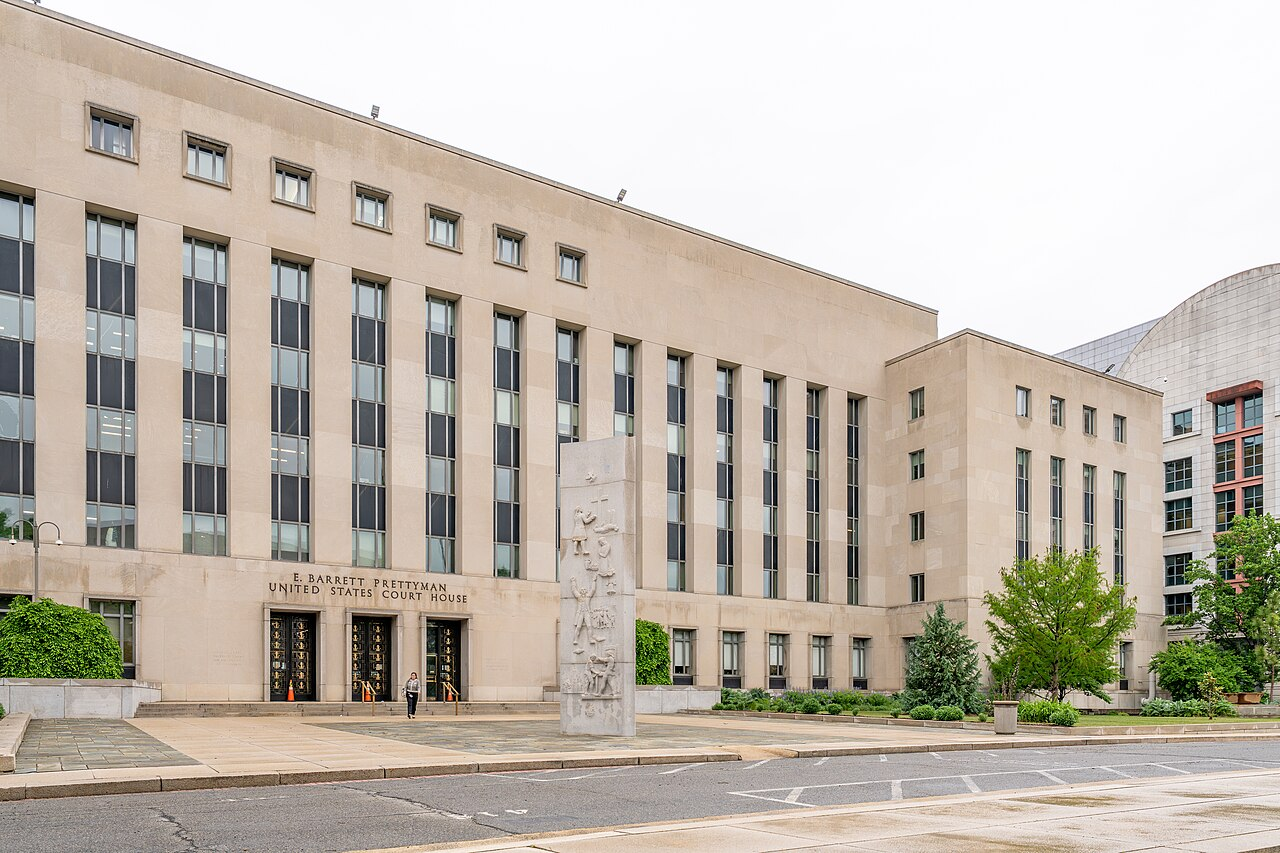
On July 6, a federal judge ruled that President Trump's blanket pardon for January 6 defendants does not cover Brian Cole, the Virginia man charged with planting pipe bombs outside the Democratic and Republican national committee headquarters the night before the Capitol attack. U.S. District Judge Amir Ali, whom President Biden appointed, declined to dismiss the case, finding that the pardon's own text reaches only people who were convicted of Jan. 6-related offenses. Cole had not even been charged, let alone convicted, when the president issued the mass clemency on his first day back in office.
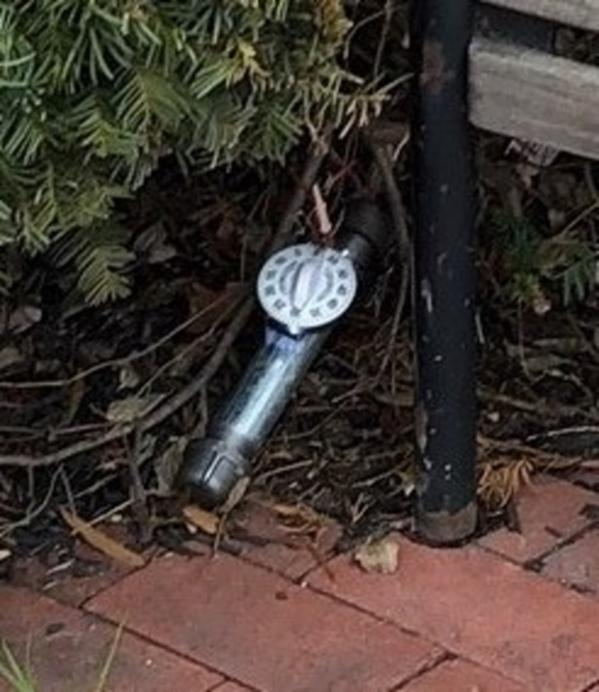
The case itself was one of the FBI's longest-unsolved mysteries connected to that day. The devices were left outside the RNC and DNC headquarters on the evening of Jan. 5, 2021; the RNC bomb was found first, and the DNC device was discovered while then-Vice President-elect Kamala Harris was inside the building. Neither detonated, but the FBI called them "viable" and said they could have injured or killed bystanders. No arrest came for nearly five years. Cole was charged only after agents reexamined cell-tower and license-plate evidence already in the FBI's possession, leading to his arrest in December 2025.
The distinction in Judge Ali's ruling is about scope, not guilt. The president's January 2025 order reached the roughly 1,600 people already charged or convicted for the Capitol attack when he signed it, pardoning those already convicted and directing that the pending cases be dismissed. Cole's alleged conduct, planting explosives the evening before the riot, sits outside that population by the order's own terms: he wasn't among the people it named, because no charge against him existed yet when it was signed.
Two readings of this ruling are both wrong. One treats it as evidence the pardons are unraveling more broadly. They aren't: the nearly 1,600 people the order actually named remain covered, and nothing in Judge Ali's ruling revisits them. The other treats the outcome as a technicality that shouldn't matter. But reading a legal document by what it actually says, rather than by the spirit commentators attach to it afterward, is not a technicality. It's the same discipline this publication applies to the historical analogies it audits: what a document permits is a question with an answer, separate from how convenient that answer is for either side's story.
What to watch next
- Trial is set for Feb. 16. Whether Cole's attorneys appeal the scope ruling itself before then, separate from any future defense against the underlying charges.
As of July 15, 2026. The Cairn Review is free to read and non-commercial: no advertising, no sponsorship, no outside funding. Analysis produced using the civic-intelligence method described at How We Work.
No conflicts of interest to disclose for this piece.